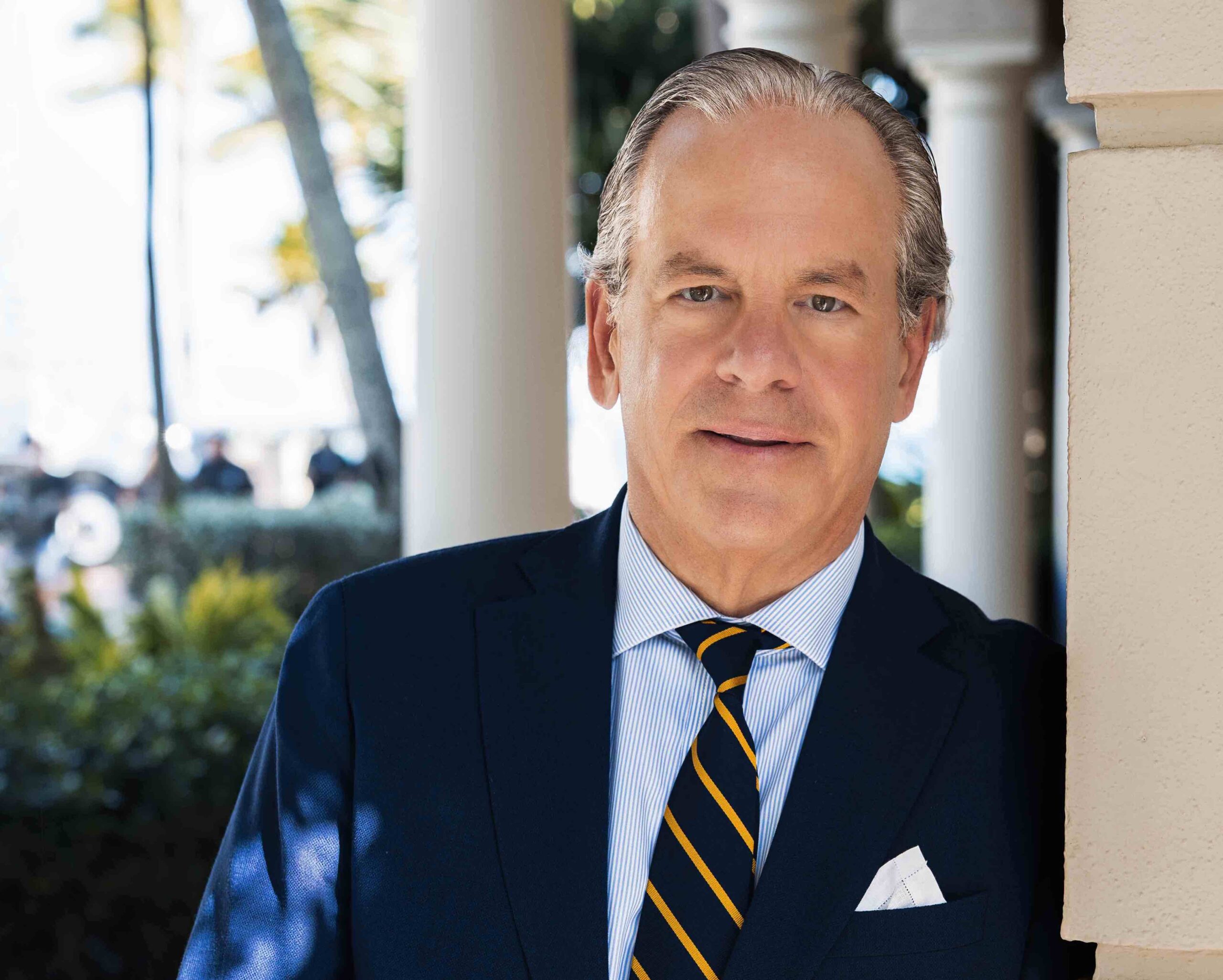
One October morning in 2006, renowned cardiologist Dr. Chauncey Crandall made an unexpected decision that would ultimately save a patient’s life. It wasn’t his Yale medical training or experience that guided Crandall, but faith.
The patient was a heavy-set, 53-year-old man named Jeff (last name omitted to protect his privacy) who was admitted to a Palm Beach Hospital emergency room after he suffered a massive heart attack. Crandall was the senior cardiologist on duty. Medical staff had been working on Jeff for nearly 40 minutes and had shocked his chest with a defibrillator six times by the time Crandall responded to the Code Blue call. Despite several attempts to start his heart, Jeff had flatlined, and his fingers and toes were turning black due to the lack of oxygen. Crandall officially declared him dead at 8:05 a.m.
A nurse began taking out the tubes and IVs from Jeff’s body when Crandall said he suddenly received a command from God to shock him one last time. Staff questioned Crandall’s judgment, but he pleaded with them to try again. With one final shock (and prayers from Crandall for Jeff’s soul), Jeff’s heart soon beat a strong and regular rhythm. Within days, he was sitting up in bed and talking.
Prayer in Medicine
While the modern medical institution is one firmly rooted in science and solid evidence, Crandall makes room in his practice for divine intervention. He said God has spoken to him while working with patients many times over the course of his 40 years practicing medicine, and he has witnessed numerous miracles.
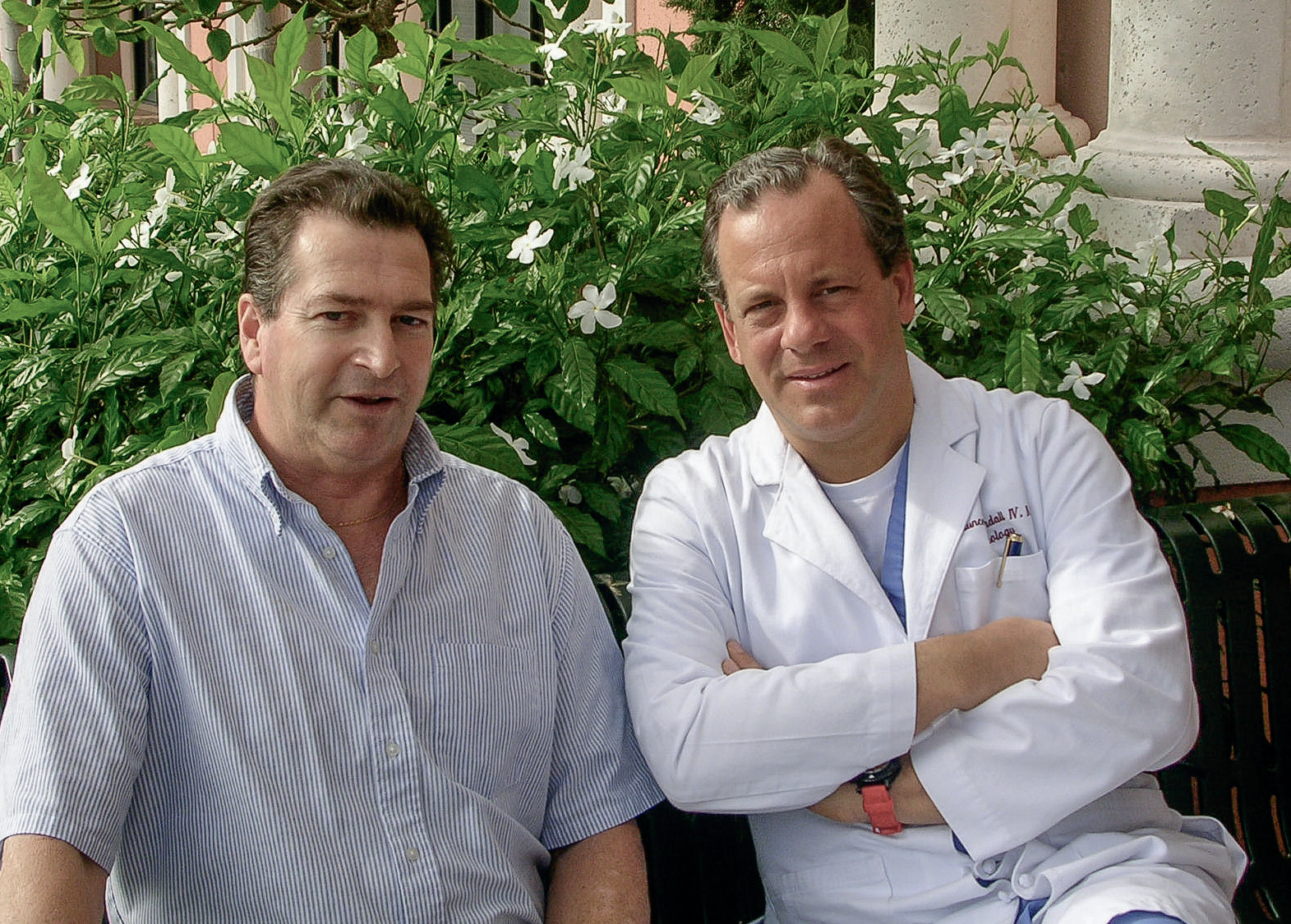
“When I started praying with people in the medical clinics and in the operating rooms, I started seeing positive results: that people were coming back to life, that there was new hope, that anxiety and fear were disappearing,” he said.
While Crandall’s perspective may sound unusual for a leading modern cardiologist, doctors of the past often cultivated a connection with the divine. In many cultures, prayer and healing have had an ancient relationship that still persists today.
Crandall didn’t always observe this relationship, though. Before he was talking with God in the operating room, he had a pretty conventional medical career. He received his medical degree and a post-doctorate in cardiac research at the Yale University School of Medicine. Later, he continued studies at Harvard University.
After graduating, he landed a job at the Medical College of Virginia, where he ran a heart transplant program. It was here that Crandall discovered that there were healing forces far beyond what he had learned in medical school.
A patient in the critical care unit was doing so poorly for so long that staff anticipated pulling the plug on him. Crandall was sitting at the nurse’s station when he saw someone enter this patient’s room and say a prayer. “I was at a distance, but I could hear their prayers, and there was a sweetness and power about it. I felt the Holy Spirit in that room, and two days later, that man who was considered brain-dead woke up, and eventually he left the hospital alive. I believe it was because of the prayers,” Crandall said.
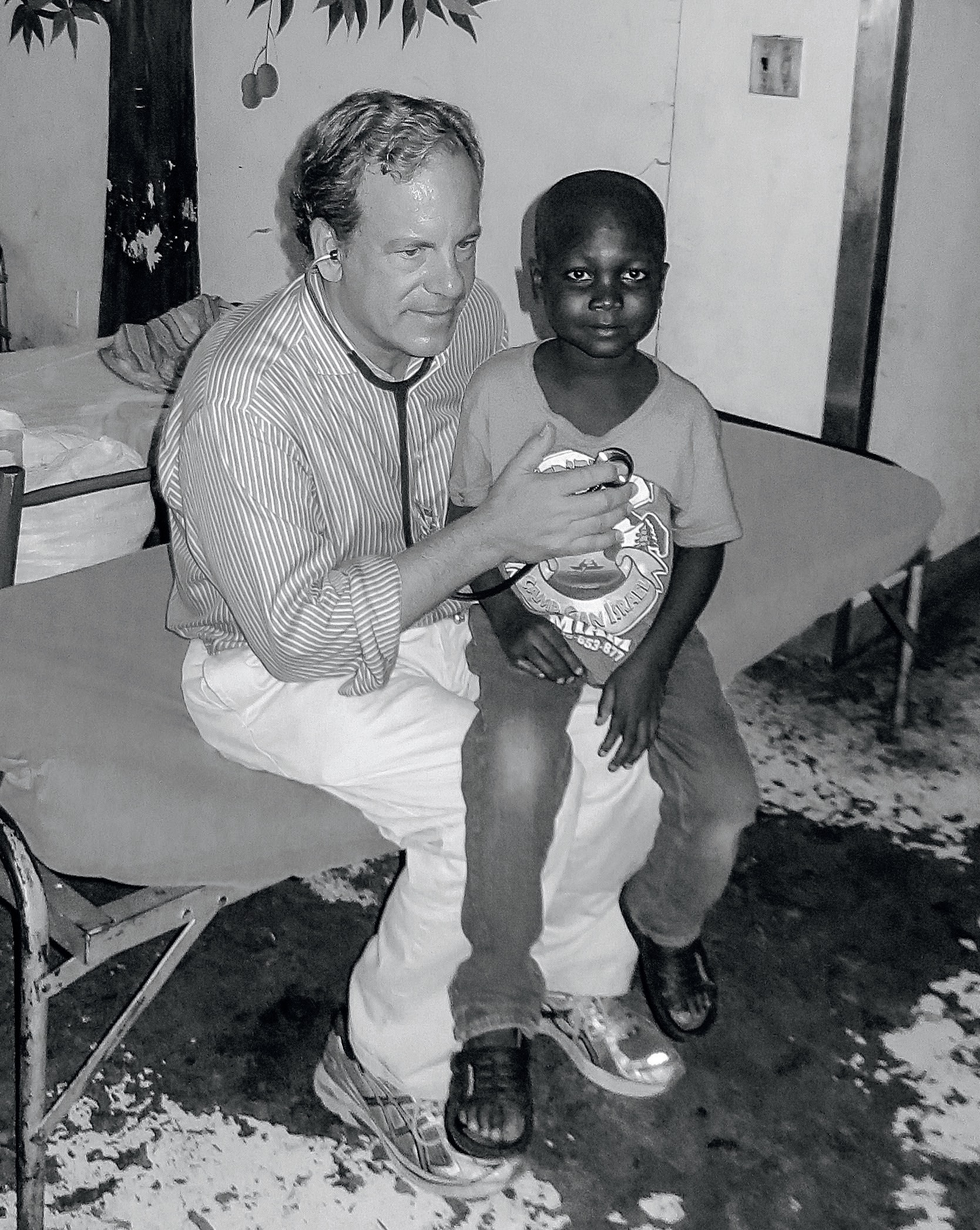
Later, Crandall came across another seemingly hopeless case: A patient who had been waiting for a new heart for months was at the end of his rope. “He was so weak he couldn’t lift his head off the pillow,” Crandall recalled. “I walked into his room, and he said, ‘I want to die. Take me off the medicines.’” Thinking about the prayer that appeared to revive a brain-dead patient earlier that year, Crandall offered to give this patient a prayer of his own.
“I didn’t know what to pray. I just used the name of Jesus,” Crandall said. “But within just a short few days, that man was able to sit up in bed. And a week or two later, he was able to get out of bed and walk. Not before too long, that man was able to walk down the hallways, and he left that hospital not needing a heart transplant.”
Over time, Crandall added more prayer to his practice, and he later aimed to pray for each patient he saw. Eventually, this required hiring a couple of ministers to make it through the busy day. But Crandall said it has all been well worth the effort.
Over the years, Crandall has seen numerous cases of patients with end-stage heart disease recover. “About 99.9 percent of them all get better because we give them hope. I treat them with the best medicine that’s available out there. But we also pray for them. We tell them that God is real, that if they have faith and they believe that we can get over this difficulty, and they can see themselves victorious. That changes the whole dynamic,” he said.
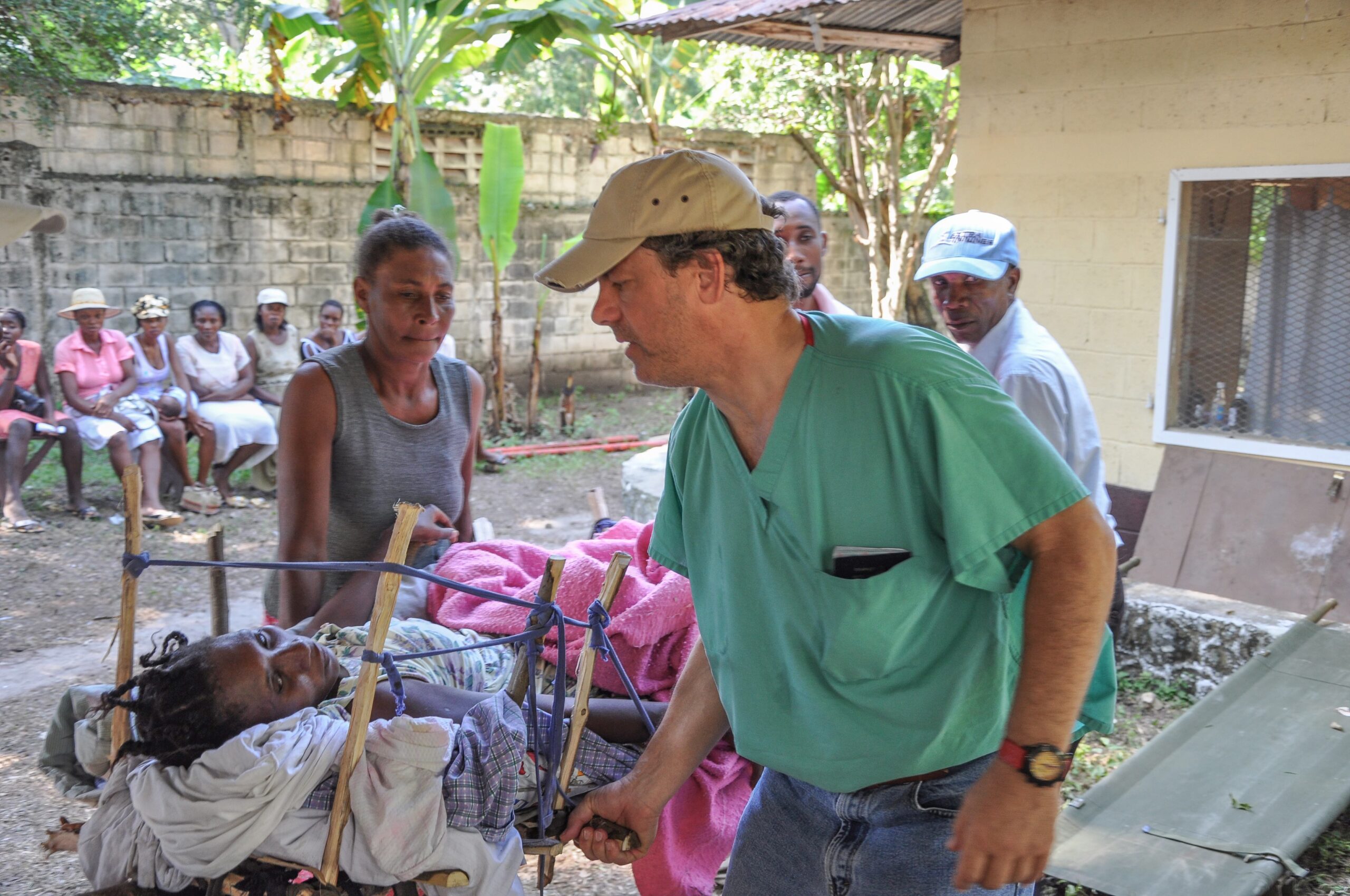
Some of the miraculous stories from Crandall’s clinical experiences, as well as patient reports of the afterlife, can be found in his books “Touching Heaven” and “Raising the Dead.” “Many of my patients have gone ahead and have come back,” Crandall said. They’ve described brilliant colors and roads full of gold. They’ve seen flowers like they’ve never seen before.”
Medical Missionary
Crandall had his own spiritual reckoning years ago that put his faith to the test. His 11-year-old son Chad was diagnosed with a rare blood cancer in 2000, and although Chad received the best treatment that modern medicine had to offer and saw the best faith healers Crandall could find, he died four years later.
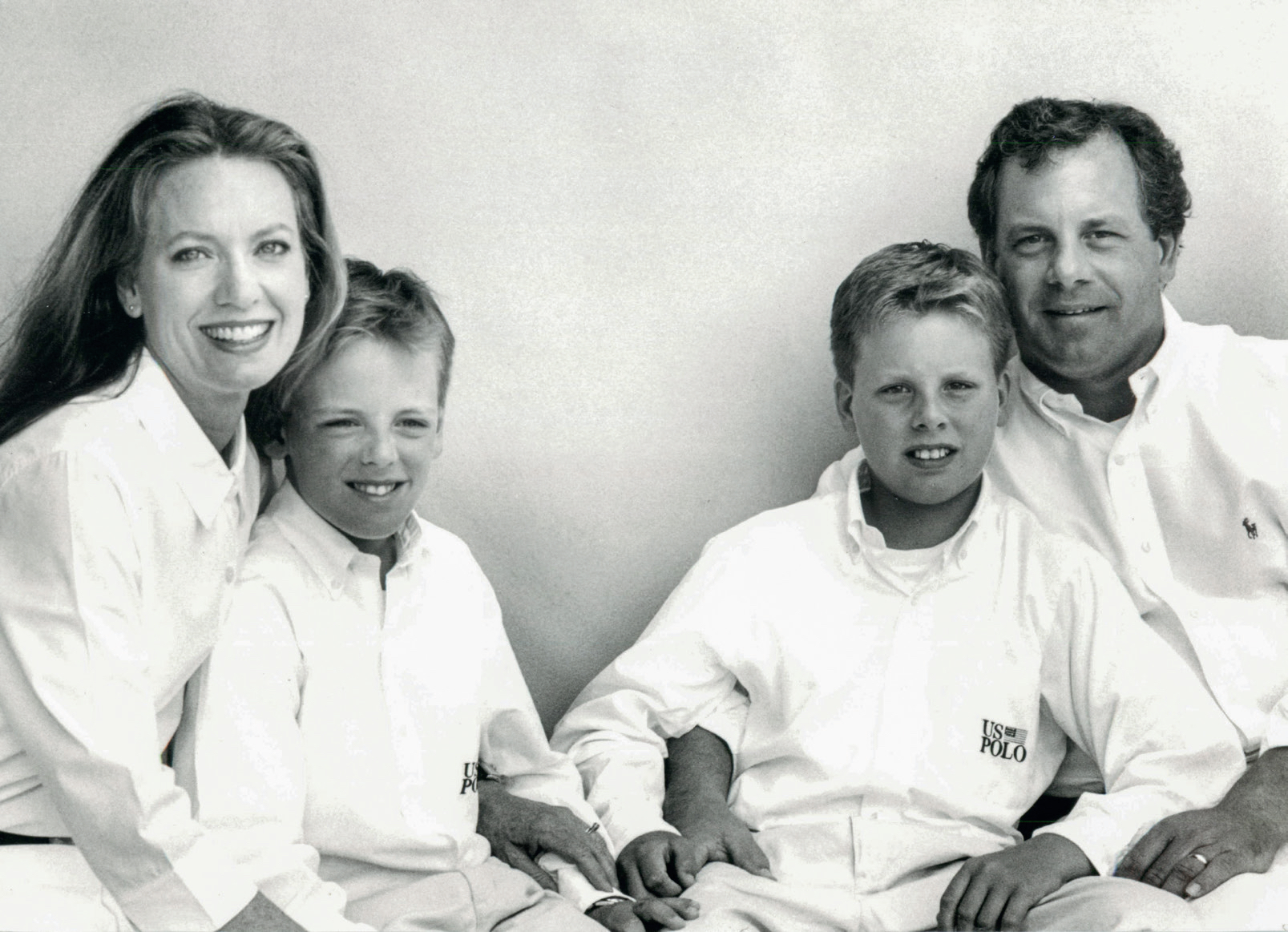
“We saw many miracles in that time. I would pray over him, and the next day, a tumor that had been as big as a baseball would be gone from his chest, or the blood work which would be abnormal the week before, would return to normal after prayer. We saw many miracles in his life. They only gave him three months to live, and he lived four years,” Crandall said.
But after so many years, and so many glimmers of hope, Chad’s death at first felt like a betrayal from God.
“I wanted to turn from Him. I felt like I had such great belief in Him and faith that he could heal my child. I picked my son’s dead body up out of that bed, and I held it in my arms. I rocked that body for about an hour and a half, crying and calling out to God. I said, ‘Lord, You are so much greater than this disease, this death. You can return his spirit to his body. He can be alive,”’ Crandall said. “He was just the sweetest child.”
As he grieved his son’s death, Crandall said he found his calling. Through his own suffering, Crandall vowed to dedicate his life to giving hope to others who are struggling. He encouraged others to reconcile their faith amid any pain they’ve endured. “I think a lot of people run to God when there is a big problem. But they have no foundation in God before that time, no strength. So when the situation turns bad, they hate God because they don’t have any foundation to anchor them in the truth,” Crandall said.
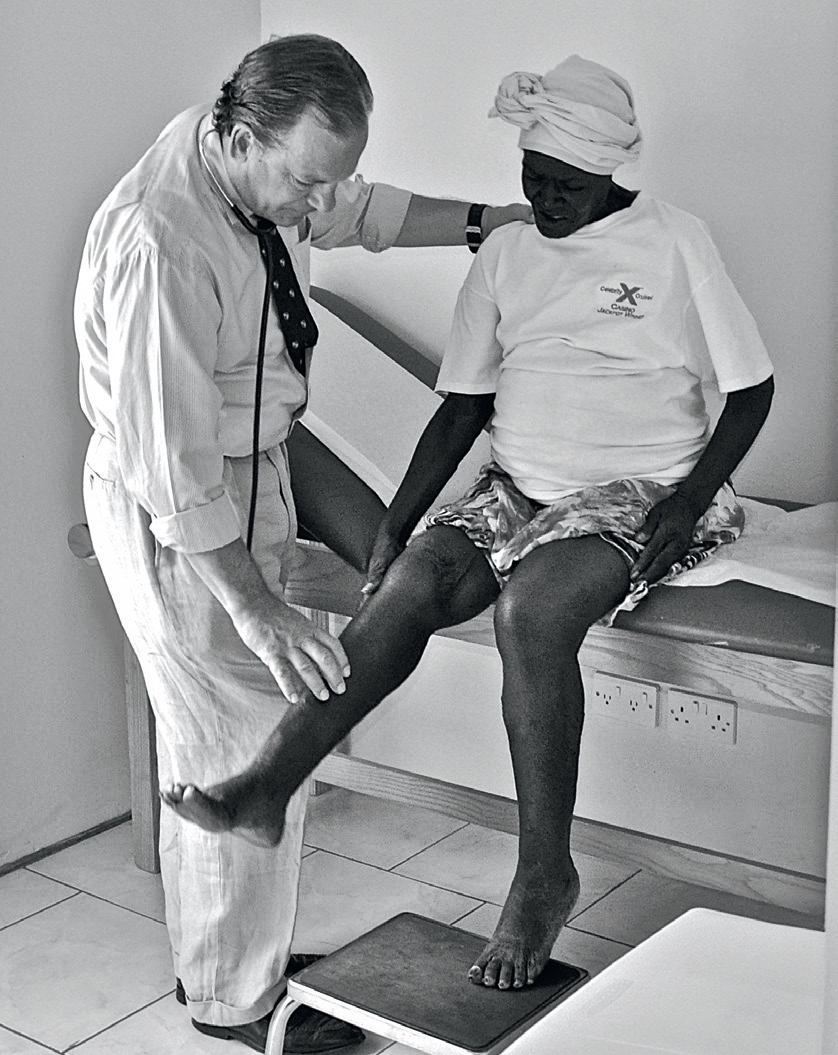
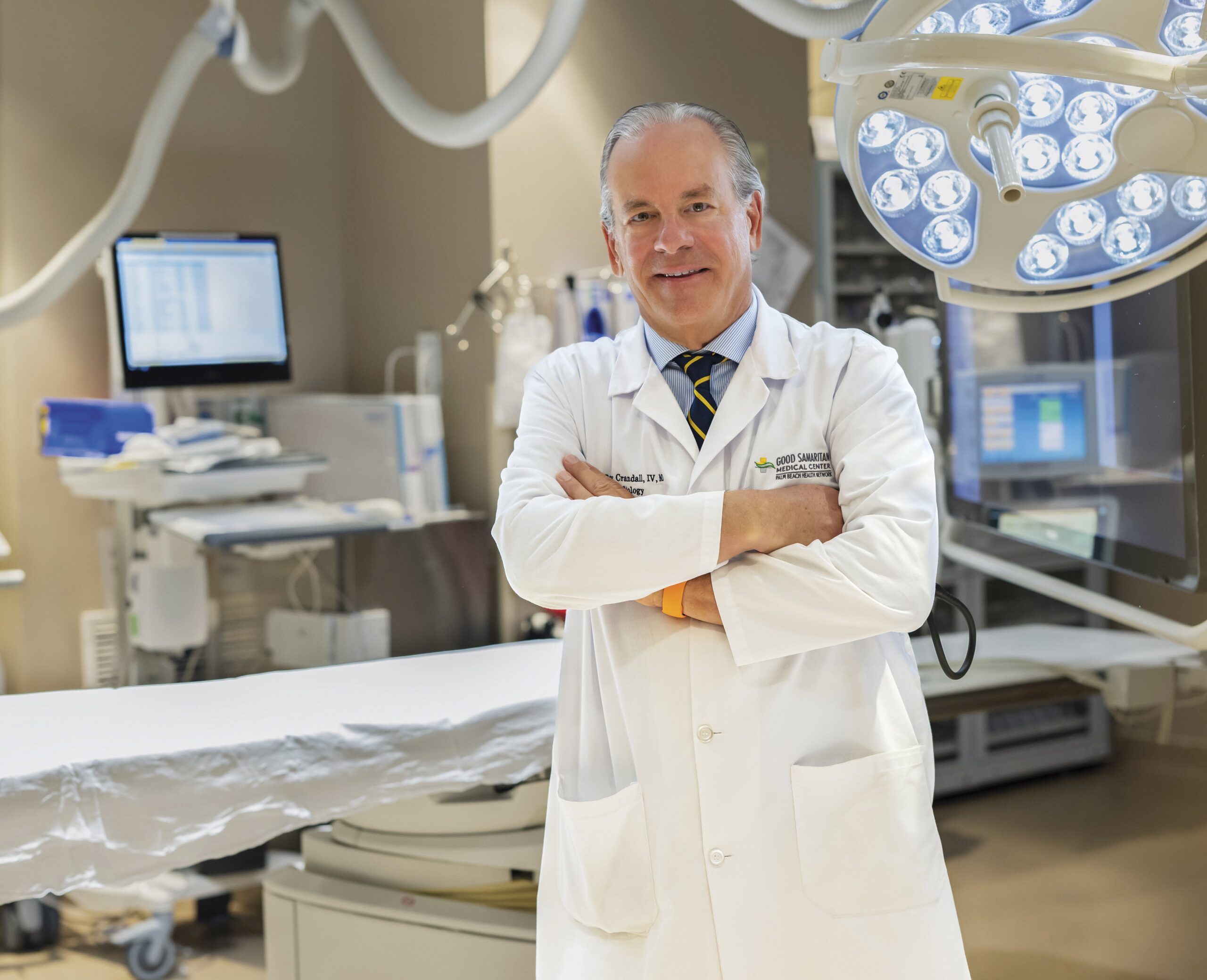
Today, as the director of preventive medicine and cardiology at The Palm Beach Clinic in Florida, Crandall sees many wealthy patients who seek out his holistic, spirit-centered approach. But as a medical missionary, Crandall has also traveled to some of the poorest regions of the world to help treat people. He said in these places, he has to rely on faith even more.
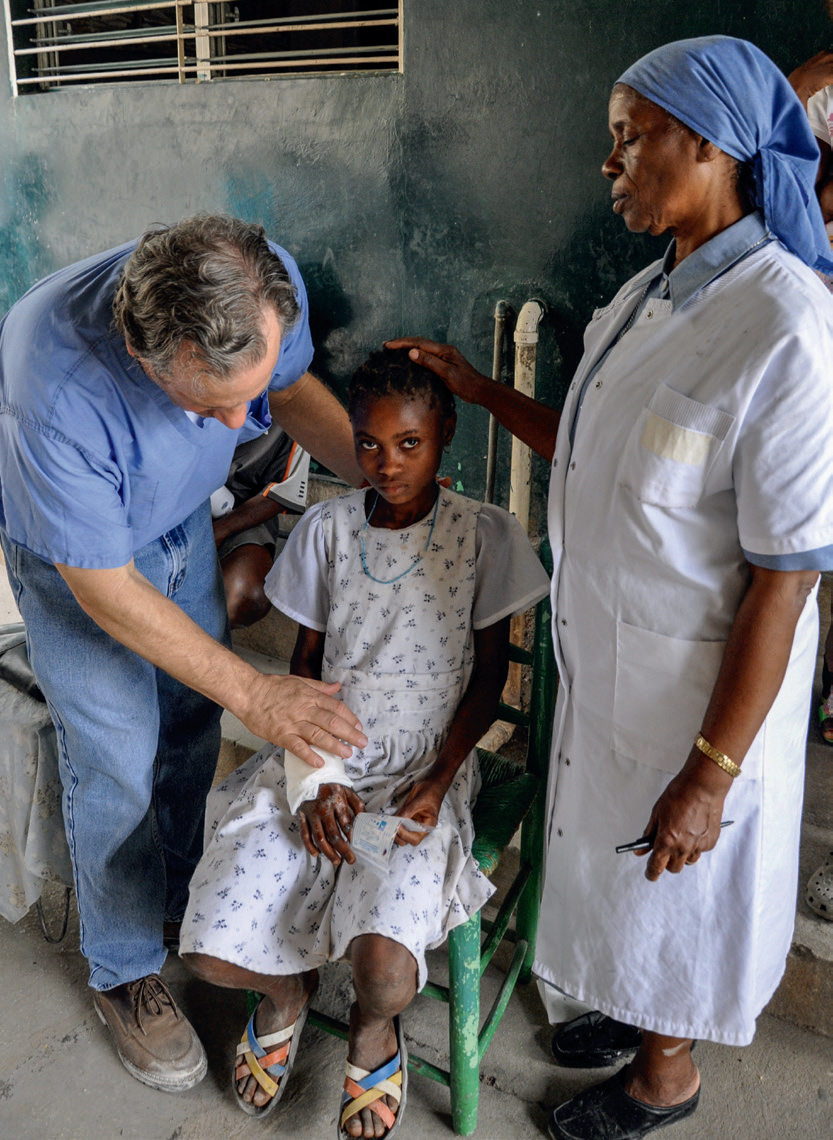
“When I go to the third world, where we have no medicines, really, we deeply depend on the Lord and the supernatural in these situations,” he said. For example, in 2010, a massive earthquake in Haiti led to a cholera epidemic a year later. Crandall said God called him to go and help. “I arrived in Haiti at a camp where there were 12 huge military tents that held about 16 people each. The man running the camp was part of an NGO out of California, and he had to go away for two weeks, so I took over the camp.”
Conditions at the camp were bleak, and resources were scarce. Everyone in the critical care tent was on the edge of death. But Crandall’s faith remained strong. “I stood inside that tent, which was about 110 degrees, and I looked up to heaven.” He prayed for his patients. “Over a period of two weeks, not one person died in that camp, whereas before, two and three people were dying a day.”
For the Health of America
Despite compelling reports of the power of prayer, Crandall said that very few of his colleagues openly support its role in medicine. Some actively discourage it. He added that some of his fellow physicians have even stopped giving him referrals because they felt his praying for patients was not appropriate behavior for a medical professional.
“The thing is, every doctor has seen a miracle. They don’t know how to explain it. They don’t know how to even talk about it,” he said.
It wasn’t always this way. It was common belief during ancient times that illness and recovery were guided by unseen forces. More recently, Crandall recalled that when he first began medical school, some of the older nurses told him they could tell when a patient was ready to die. They would sit in the room, wait by the body, and watch the spirit leave. Then, they would get the patient ready for the morgue. “We don’t talk about it much anymore, but God is real,” Crandall said.
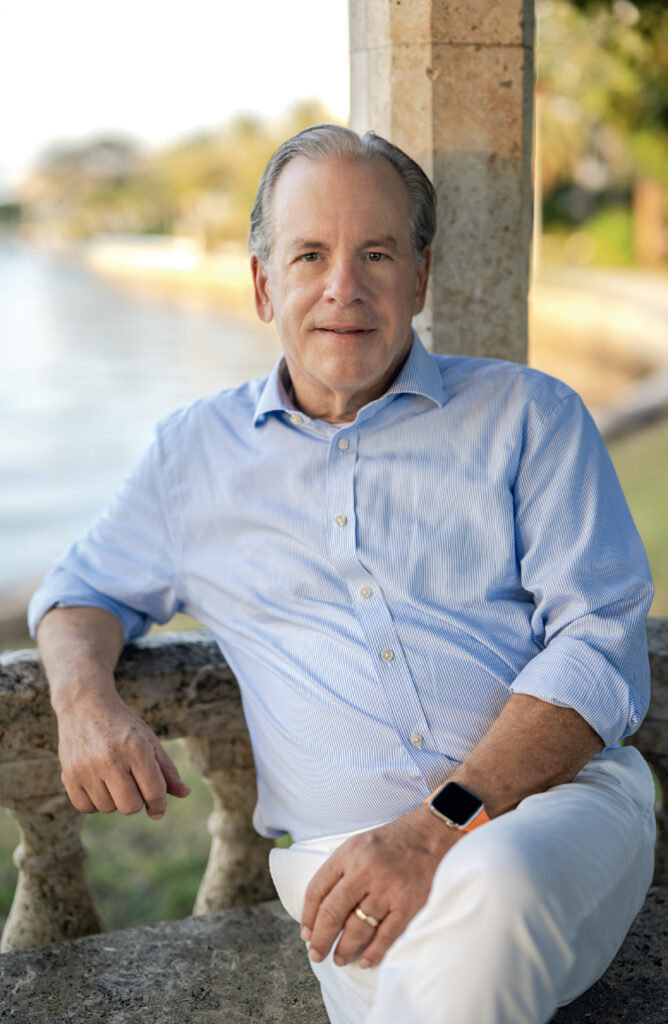
In addition to his faith-based way of practicing medicine, Crandall has also recently focused on the more practical aspects of health, by addressing the current chronic disease epidemic in America. In November last year, he published “Make America Healthy Again (MAHA): A Blueprint for a Thriving Nation,” providing suggestions to people, communities, and local governments on how to motivate people to make better lifestyle choices and alleviate the current burden on the healthcare system.
“I think doctors and hospitals have gotten away from that, and we need to get back to the basics of taking care of people, instead of throwing all these medicines and vaccines at them,” Crandall said. “I can give you a new heart. I can open an artery with a stent. I can prevent heart attacks by putting you on medications, but I started realizing that we needed to look more at prevention.”
When it comes to improving health, Crandall recommends all the things you would expect from a doctor, such as eating a healthy diet, getting regular exercise, improving sleep, and reducing stress. But he also believes that things like gratitude and prayer can benefit our physical health. He said, “I find that people of faith seem to navigate better through life and live longer and happier.”
Dr. Crandall’s Prescription for Better Mental Health in the Modern World
Create a Daily Mindfulness Practice
Incorporate meditation, deep breathing, or gratitude exercises into your routine to reduce stress and improve mental clarity
Recognize the Impact of Digital Overload
Set boundaries for social media and screen time to prevent information fatigue, anxiety, and negative mental health effects
Prioritize Work-Life Balance
Establish clear boundaries between work and personal life to prevent burnout and maintain emotional well-being
Recognize the Connection Between Diet and Mental Health
Consume nutrient-dense foods rich in omega-3s, magnesium, and B vitamins to support brain function and mood regulation
Develop Emotional Intelligence
Improve self-awareness and interpersonal relationships by actively managing emotions, improving communication, and practicing empathy
Engage in Regular Physical Activity for Mental Health Benefits
Exercise has been shown to reduce depression, anxiety, and stress, making it a crucial tool for overall mental well-being
Build a Support Network
Surround yourself with positive relationships, seek community engagement, and maintain social connections to foster resilience against mental health struggles
Set Healthy Boundaries in Relationships
Learn to say no, limit exposure to toxic individuals, and prioritize interactions that contribute positively to mental well-being
From March Issue, Volume VI