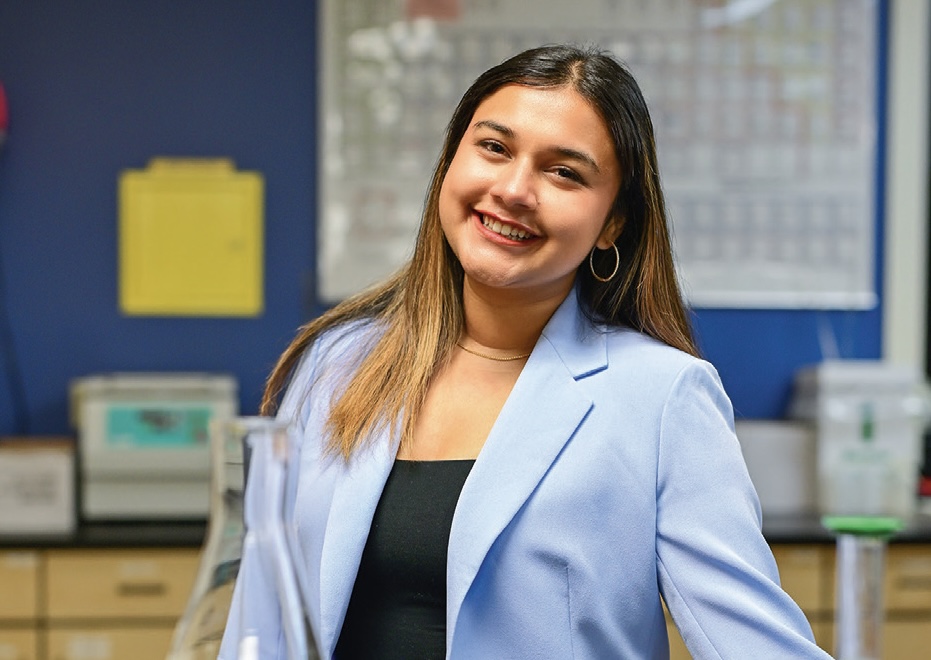
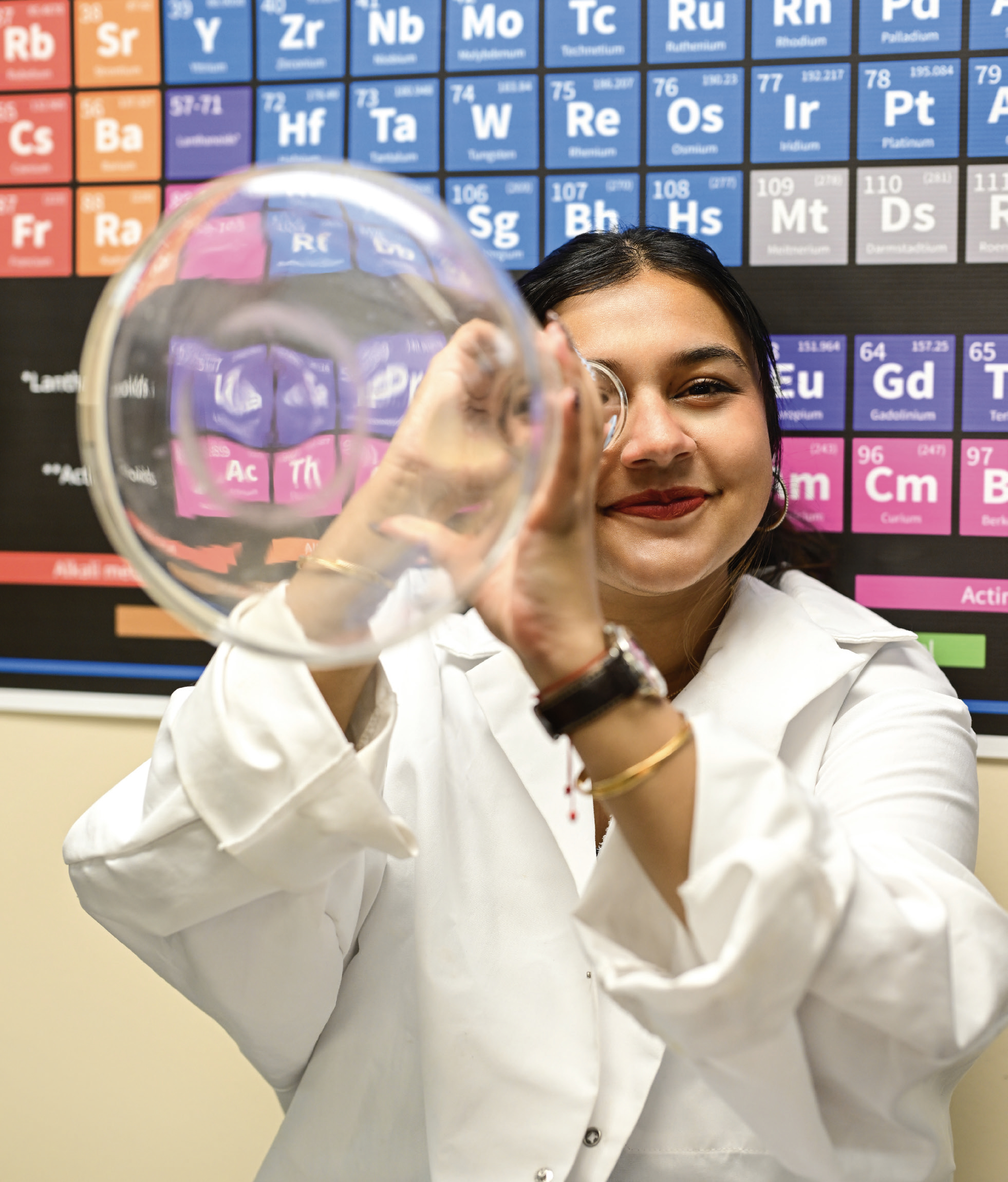
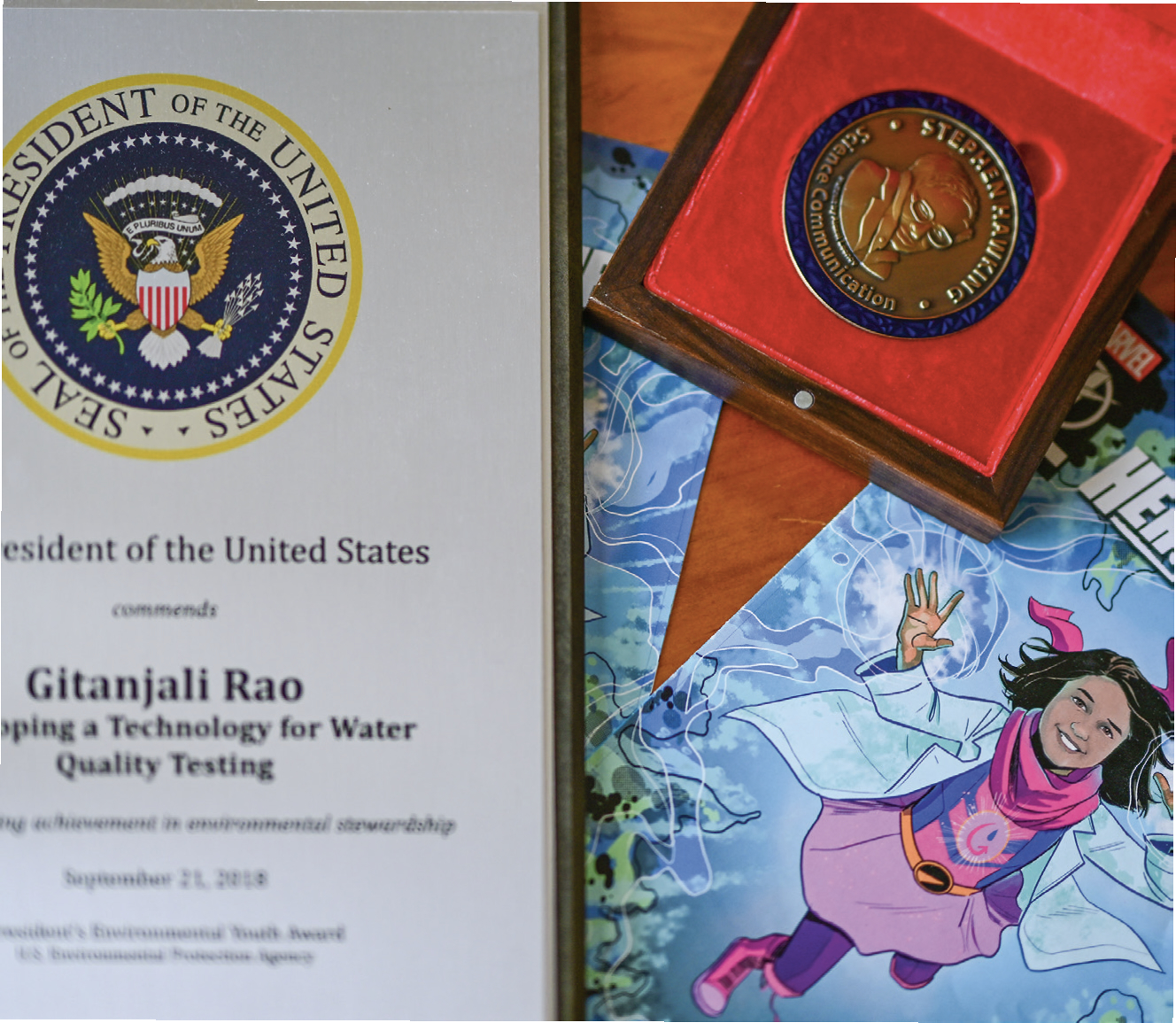
At an early age, Gitanjali Rao developed a remarkable talent for problem solving. In 2017, at 11 years old, she won the 3M Young Scientist Challenge.
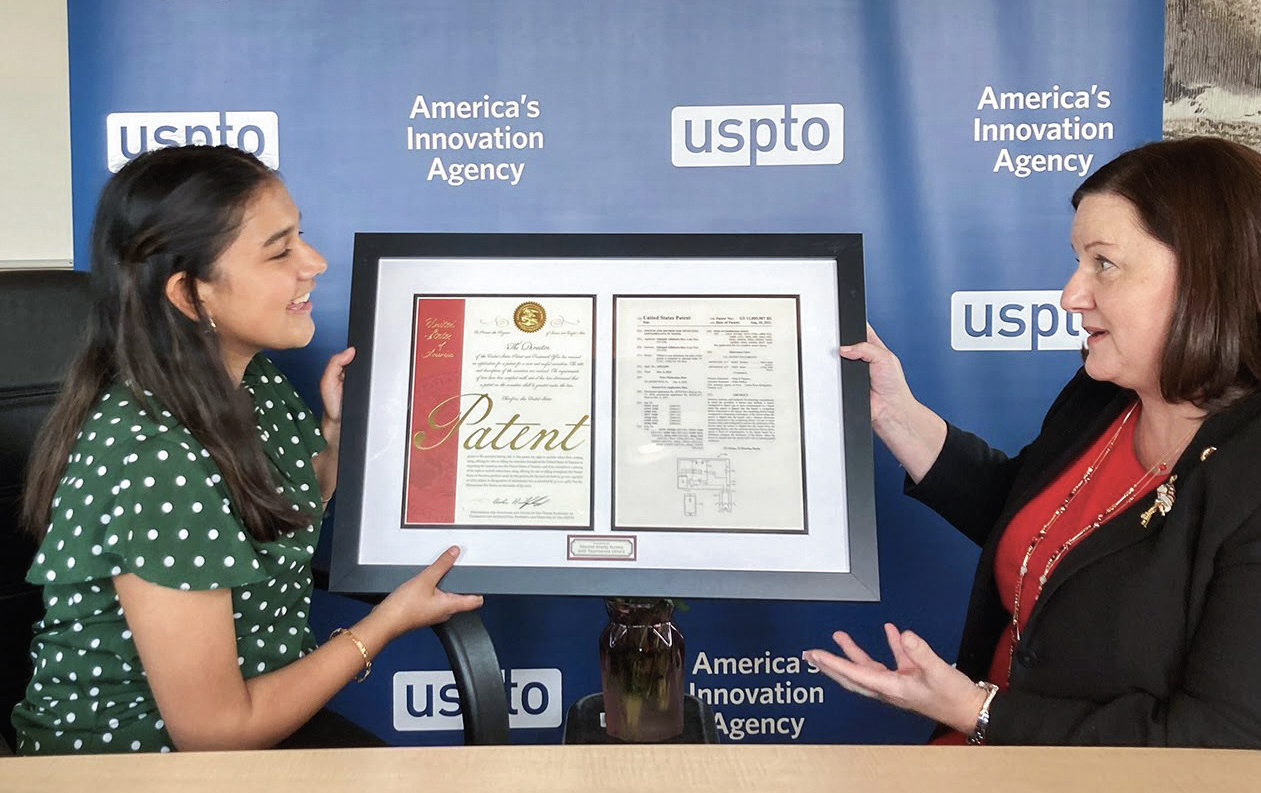
Her winning invention, inspired by the water contamination crisis in Flint, Michigan, employs carbon nanotube sensor technology to identify traces of lead in water, with results sent straight to a mobile app. Rao was granted a patent for her device, which earned her a place on the list of Forbes “30 Under 30 in Science” in 2019. And, at age 15, she became Time magazine’s first “Kid of the Year” in 2020.
In her teens, Rao continued creating her award-winning inventions, such as Epione—an AI-driven tool used for early detection of opioid addiction. It looks at levels of protein produced by the MU opioid receptor gene (a protein that often correlates to addictive behavior). Kindly is another invention of hers, a UNICEF-backed app designed to curb cyberbullying by suggesting kinder options before people hit “send” on toxic texts.
Trying New Things
Both she and her younger brother have always been excited to try new things since they were little. “We were those kids that, you name it, we did it,” she said. Her parents prompted them, but Rao and her brother chose their activities and schedules. “If we didn’t like it, we could quit the next day, but we [felt we] had to try it once.”
Rao believes that the process of sampling her options strengthened her sense of what she liked and what she didn’t. “Not a lot of people find their passion at that young of an age. I really do owe it to my parents for exposing us to what opportunities exist out there,” she said.
She said that when her parents were young, they were both eager to broaden their horizons. They immigrated to the United States from India about a decade before Rao was born, attracted to the opportunities America had to offer. “They’re both very, very ambitious people, and I think a part of them always knew they wanted to do something more, and that’s why they came here,” Rao said.
Rao describes her father in particular as an intellectually restless individual, forever seeking a new challenge. She recalls that every time he would get too comfortable at a job, he would apply for a new job, and the family would pack up everything and move to a new city or a new state.
Although her parents remain a big influence, Rao insists that she blazes her own trail. People ask all the time if she was pushed toward a career in science and invention, but Rao said that her parents merely presented her with as many options and opportunities as they could.
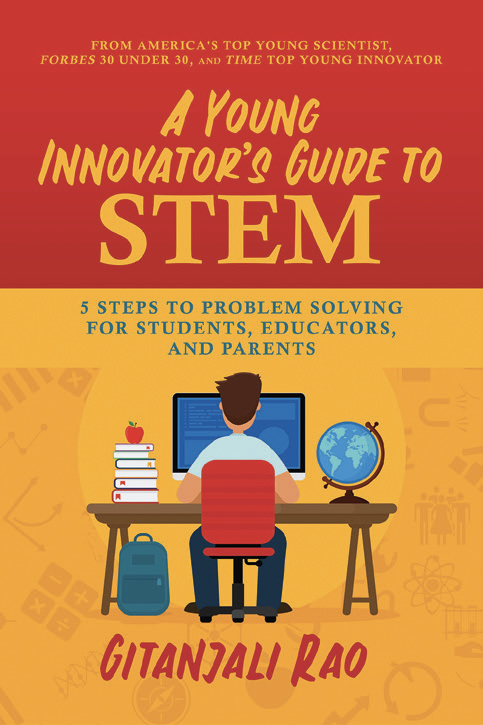
In that same vein of encouragement, Rao helps others to create their own solutions for the problems that are important to them. It’s the message behind many of the workshops she has run around the world that focus on education, creative problem solving, and social empathy. Rao has authored two books on the topic: “A Young Innovator’s Guide to STEM” (science, technology, engineering, and math), and “A Young Innovator’s Guide to Planning for Success.”
Today, Rao is a student at MIT and says she believes that her peers have a natural capacity for innovation. All they need is some guidance, exposure, and support. “I’m a strong believer that anyone can come up with creative ideas if it is something that they love, and something that they actually have a passion for,” she said.
A Love of Travel
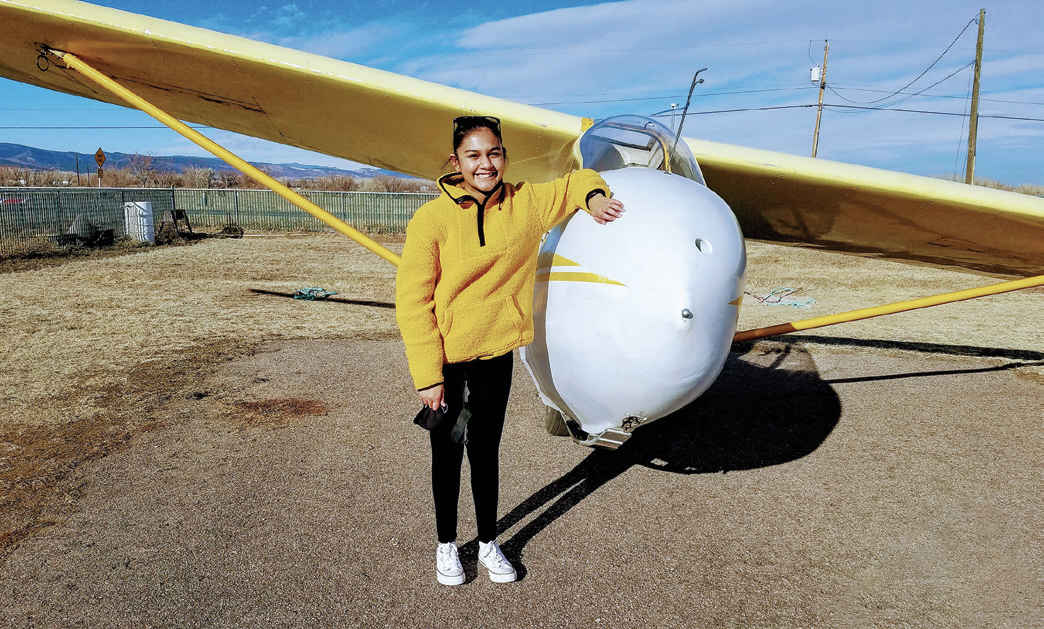
In addition to her studies, Rao draws, plays piano and bass, pilots planes, and is hoping to get back into fencing soon. “I dabble in a little bit of everything,” she said. “I also DJ on the side. My poor suite mates. They hear me practicing every day.”
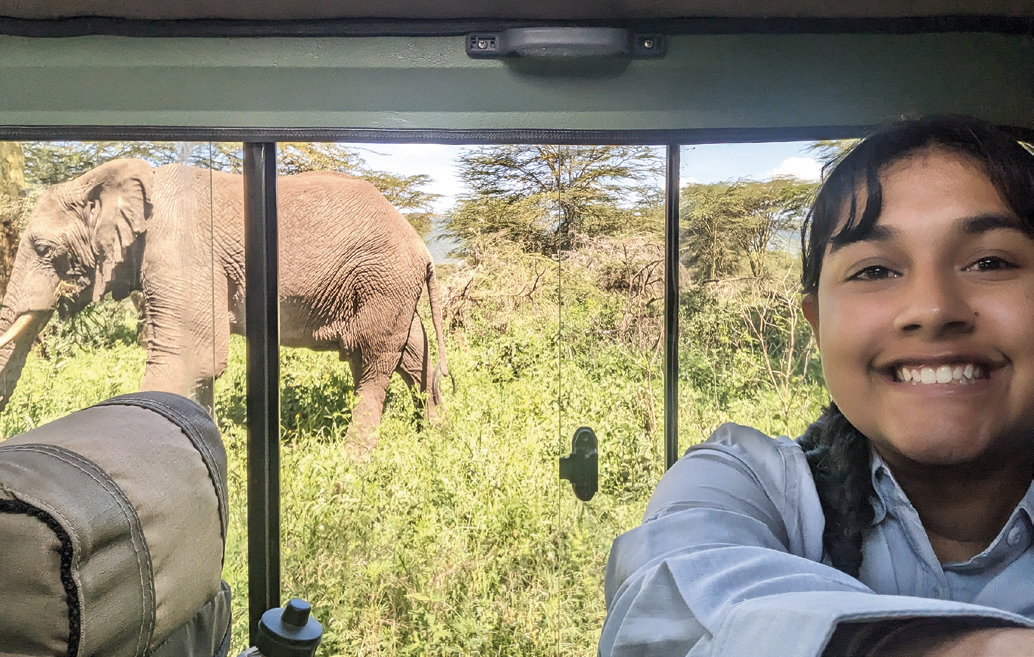
One activity that fuels much of Rao’s inspiration is travel. She has been to Morocco, Egypt, Turkey, and Cambodia, just to name a few destinations. “My parents take travel very, very seriously,” she said. “We’ve been back to Japan six times because we love it so much. Everything is so efficient and respectful.”
Anywhere she travels, Rao reaches out to schools in hopes of running another workshop. “And every time I do it, I end up meeting so many cool people,” she said. “I end up finding a second family in a lot of these countries. It’s so incredible, being able to make that community, despite living literally across the world from each other.”
Rao imagines one day that she may live abroad, but she considers herself very fortunate to have grown up in the United States. “The technology is always growing here. We have the opportunity, and we have the funding in our research labs to be able to contribute to these big solutions in society,” she said.
Being Herself
Everyone faces challenges growing up, but many of Rao’s growing pains happened in the spotlight, as a highly publicized child inventor. “I think what people saw more novel than my work was my age. That used to make me really mad,” she said.
Another hurdle Rao has had to overcome is the pressure of pleasing everybody at the expense of her own identity. She often felt like she had to mold herself—her dress, hair, speech, and actions—to meet the expectations that people had of her. For example, she would often get criticized for wearing a suit jacket at conferences because it didn’t reflect her age.
“I call it child actor syndrome, because I felt like I needed to fit within everyone’s expectations of what a girl in science is supposed to look like. It becomes so difficult trying to put on this front to please so many people,” she said. “It really took a crazy amount of rewiring in my brain to realize that I don’t have to act the way that people want me to act and say the things people want me to say.”
Thinking of the Future
This summer, in 2026, Rao will be traveling to Oxford University to participate in the second phase of a project with the Torr Vision group—a research effort focused on training artificial intelligence to better meet social needs—and global healthcare giant Novo Nordisk.
Rao isn’t currently working on any new inventions. She said her focus right now is mainly on her studies, but after graduation, she plans to get back into inventing again. “I think it’s really where my passion lies: building experiments and figuring out a solution to an idea. My long-term goal is to start some sort of genius startup where I can bring one of my really cool, novel ideas out to the world.”
Rao keeps a list of problems she hopes to tackle one day, such as creating an AI-driven drug fabrication model that can make animal testing obsolete. “The field of adolescent mental health is also a big thing for me, especially within South Asian female populations. It’s so stigmatized and I want to bring it to light,” she said.
Whatever we might expect from Rao in the future, she’s sure it will be something she’s personally passionate about. “I cannot handle trying to juggle something that I don’t enjoy doing,” she said. “Every call that I take, every speech that I give, every workshop that I run, every class that I take, every assignment that I do is curated to be something that I enjoy doing. Of course, there are times where I feel like I’m spread extremely thin, but most days I genuinely do really love what I do.”
From Sept. Issue, Volume VI