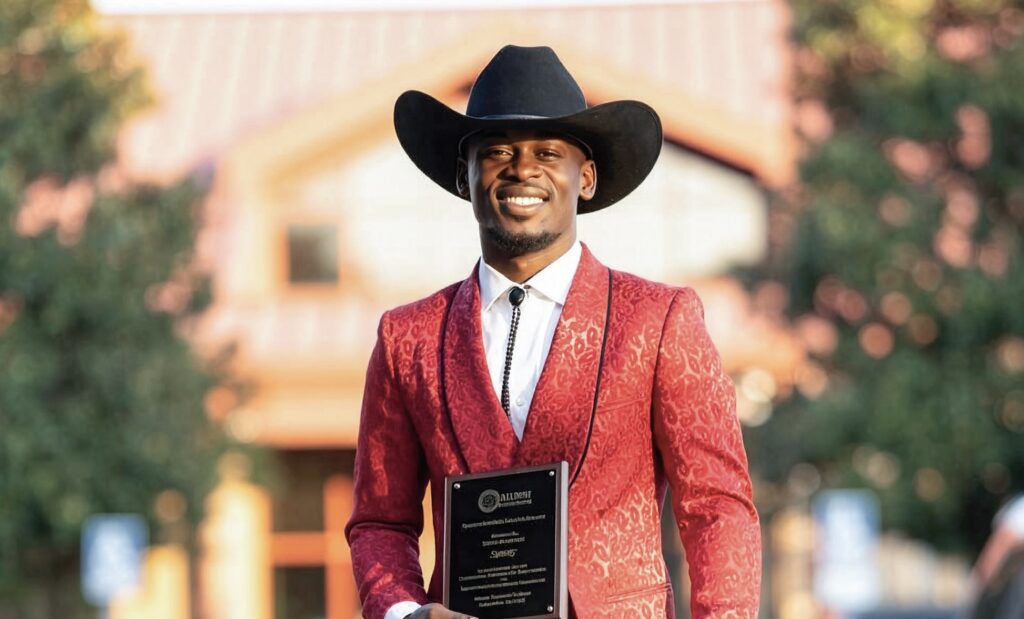
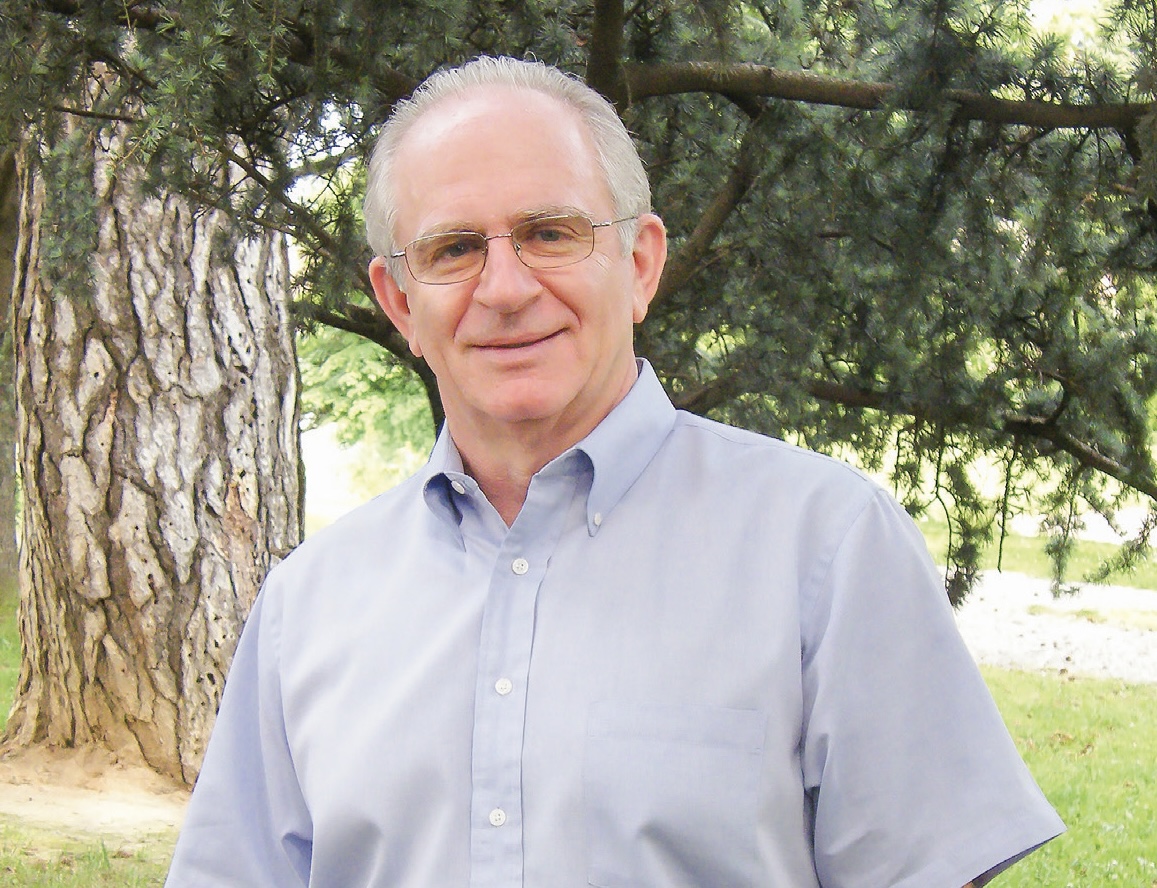
Books can tell you what it’s like to live in a socialist country. Mikhail Nudelman can tell you himself—he grew up in the Soviet Union.
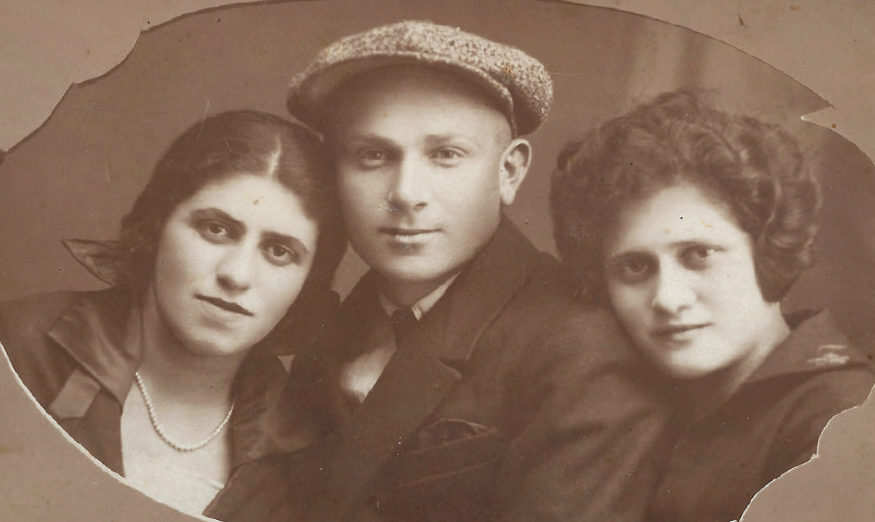
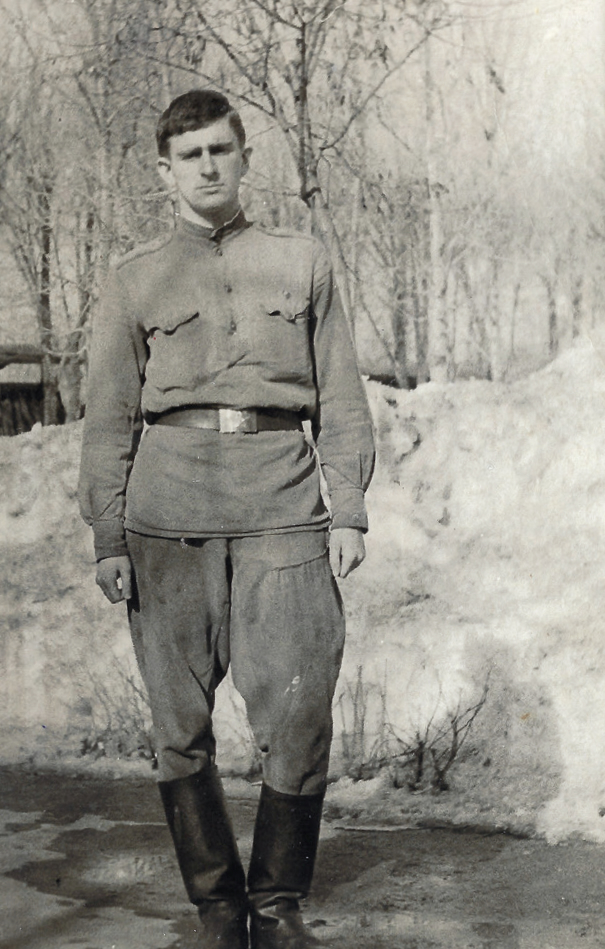
Born in 1951 in Ukraine, Nudelman came to the United States nearly 50 years ago, and now calls Atlanta home. He discovered early that the “warmth of collectivism” can be awfully cold. As a Jewish child, he was considered a second-class citizen. He endured offensive name-calling. His family was forced to practice their faith in total secrecy and in fear. He saw his mother face long lines for food and basic necessities. “I did not even remember seeing a banana for the whole of my childhood,” he recalled.
In school, he learned not to question authority. Children were promised that communism would bring endless, free abundance and that citizens would never take more than they needed from the “free” grocery stores. Curious, Nudelman asked his teacher: “What about if somebody wants to take more than they need? What can happen then?” That “stupid question” landed him in trouble and triggered an official visit to his parents.
But the concept of freedom had already taken hold through his father, who risked everything to find the truth by listening to the Voice of America’s banned broadcasts. It was a midnight ritual Nudelman repeated alone at 13 years old, when he realized the USSR’s public reality was a lie. “The ideas of America had reached me before the country itself did,” Nudelman said. “Arriving [in the United States] was a homecoming, not the beginning of an immigration.” In 1978, when U.S. pressure forced the USSR to let Jewish citizens out, he escaped with his wife and young daughter on an exit visa, arriving in the United States in January 1979 and settling in Atlanta.
His initial feeling of America was a strange emotional relief. “Nobody was bothering me. … I was completely free and didn’t know what to do with it.”
But his newfound freedom was only the beginning. He needed to find a job and start paying the bills. Nudelman started working as a laborer just two weeks after arriving because he lacked English language skills.
In the fall of 1979, his 4-year-old daughter became seriously ill. At the time, he lacked health insurance and faced long hospital stays. But then he received unexpected financial help from his employer. He was filled with relief—and surprise. In the USSR, he was taught that America embodied “homo homini lupus”: man is wolf to man. For that reason, the hardest part wasn’t starting over; it was realizing everything he’d been taught about America was a lie.
Nudelman became an American citizen in 1986. Taking the oath of citizenship had a profound effect: “I was no longer a guest. … I was now responsible for the country that had received me,” he said. “From that day on, the Constitution was no longer something that protected me. It was something I had committed to protect.” He went on to build a career in commercial art and exposition services, helping to facilitate international trade, and has become an author and speaker.
Now, Nudelman sees the collectivist concepts he fled beginning to grow in America, particularly the psychological manipulation used to shape public opinion and suppress dissent. After his twin granddaughters were born, he became determined that they would never live under the system he escaped. Driven by independence, honesty, and loyalty, he felt compelled to act. He published “Freedom Manifesto: The Emotional Appeal and Destructive Reality of Collectivism,” using an AI assistant to overcome the language barrier.
Nudelman’s mission and his book were years in the making, well underway before his granddaughters’ birth and the 2026 New York mayoral election where a Democratic Socialist won; those events didn’t spark his urgency, but they certainly deepened it. He had chosen the word ‘collectivism’ for his book’s subtitle well before New York City’s new mayor, in his inaugural address, called for ‘the warmth of collectivism’ — a prominent official embracing, by name, the very thing Nudelman had spent years warning against.
His mission plays out daily. His routine centers on writing books, essays, and educational curricula with the urgency of a man making up for lost time. His book serves as a “toolbox” for parents and teachers to resist indoctrination and expose socialism’s unkept promises.
His audience is growing. On February 18, 2026, Nudelman testified in support of the Victims of Communism Day bill before the Georgia House Committee on Special Rules, alongside Jose Perez, who escaped Castro’s Cuba at age twelve. Although there was discussion and positive traction, the bill did not receive a floor vote and did not become law before the session ended. Its sponsor has said he intends to reintroduce it. Nudelman continues to advocate for restoring the requirement to teach the history of communism in American schools.
For Nudelman, the stakes are deeply personal. In the USSR, conformist pressure intruded into the most private parts of life—even trying to prevent his mother, at 41, from giving birth to him. America gave him a life that was finally his own. When his teenage daughter was diagnosed with leukemia in 1994, advanced American medicine and a community of supportive strangers saved her. The Soviet system left his dying father without basic dignity, but America allowed his daughter to live. One line in his book sums up his devotion to his adopted home: “America saved my life.”
From Sept. Issue, Volume VI