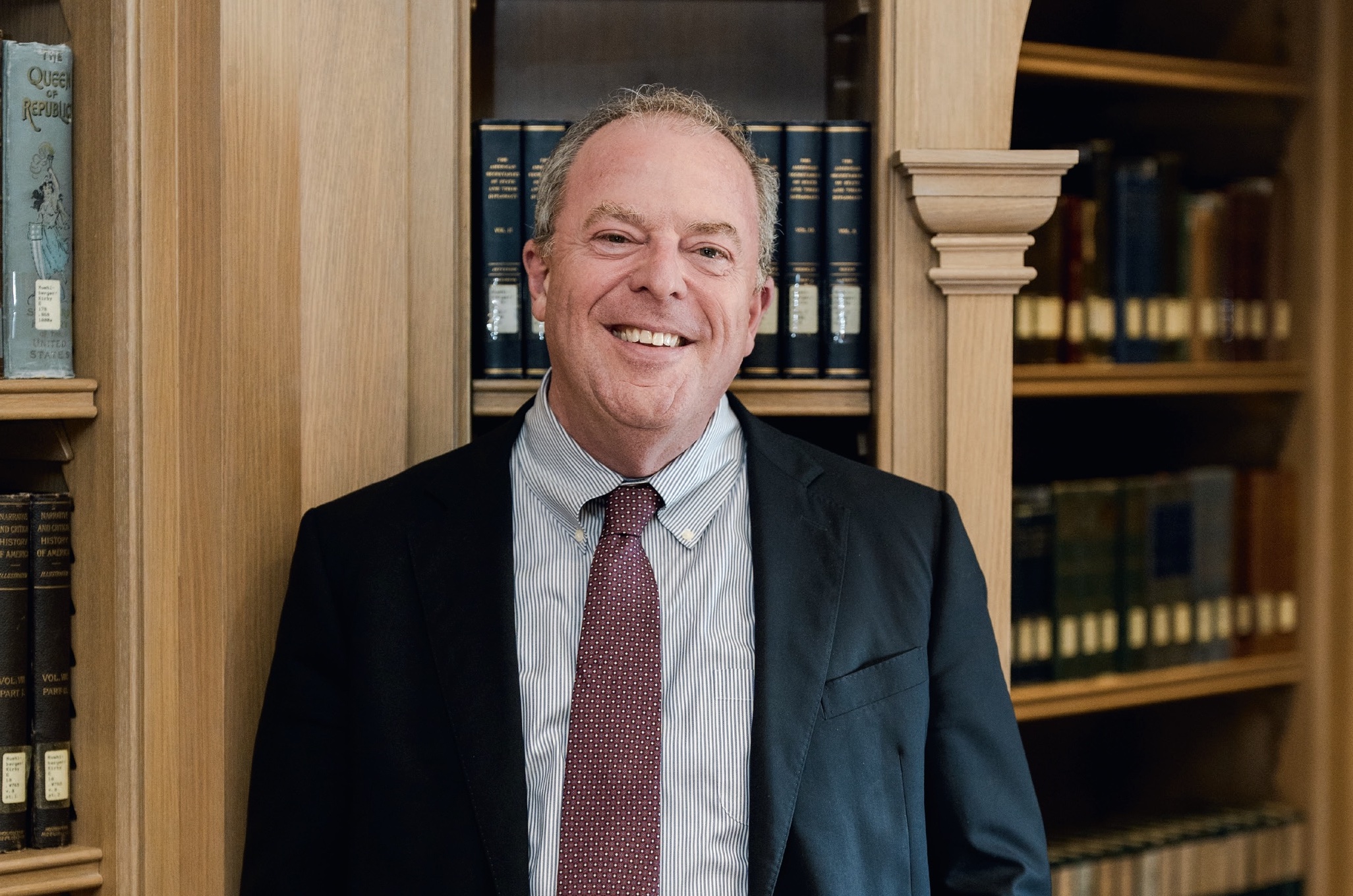
Certain childhood events leave a lasting impact on our lives, with memories that stay with us. For Matthew Spalding, it was a birthday celebration. Not his own, but America’s.
On July 4, 1976, the United States celebrated its bicentennial, and Spalding, who was then a middle school student in California, felt swept away by the festivities. The tall ships, the parades, the Freedom Train rolling through his valley, all of it made a powerful impression on him. His mother even took him to the bank to get a special two-dollar bill, issued as a commemorative, which she later had stamped at the post office with that memorable date.
“I kind of liked history,” he recalled, “but that really got me interested in American history.”
The Path to Academia
His budding interest flourished a decade later during another historical milestone, the Constitution’s bicentennial, when he was in college. These formative experiences paved the way for his journey into studying the nation’s foundational ideas.
Today, Spalding serves as the Kirby Professor in constitutional government and the dean of the Van Andel Graduate School of Government at Hillsdale College. He also serves as senior academic adviser for America250 projects and has authored several works on the Declaration of Independence and the Constitution, including his latest book, “The Making of the American Mind: The Story of Our Declaration of Independence.”
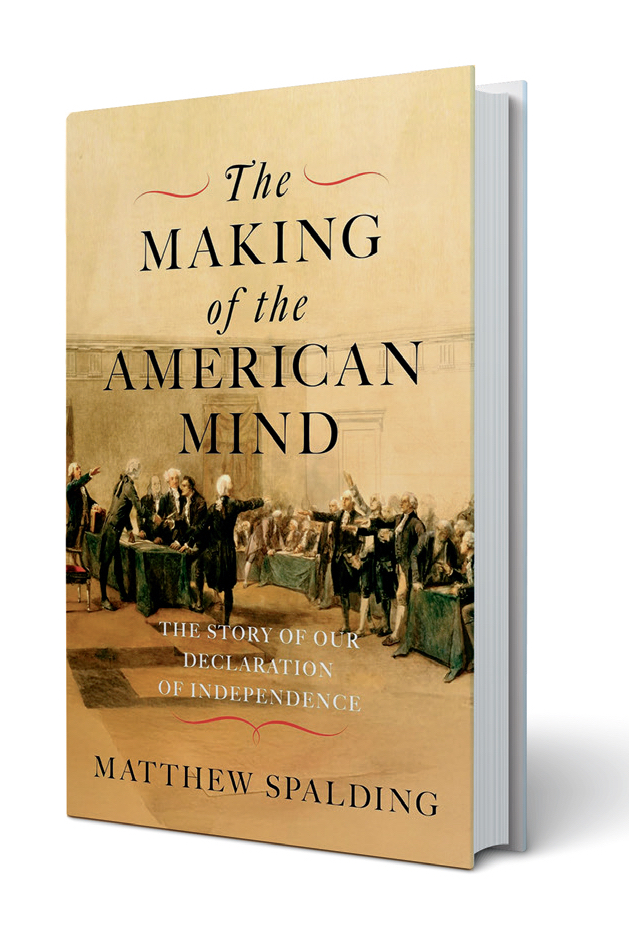
However, Spalding’s path to academia was not straightforward. Although he earned a doctorate in politics, he initially had no plans to pursue a teaching career. Rather, his goal was to “teach in the public square as a writer and speaker.” He took a job with the Heritage Foundation, where he led education initiatives focused on American history and constitutional thought. His first books recommended that the ideas of the Declaration and Constitution form the basis of contemporary political thought.
Teaching came to him later. Through his friendship with the president of Hillsdale College, he was recruited to help establish the college’s Washington campus. Spalding says the opportunity to teach and write was a perfect fit for his talents; the classroom became a fertile ground for his ideas to thrive.
The Ideas Behind the Founding
In “The Making of the American Mind,” Spalding takes readers through the Declaration of Independence, examining the political, legal, and philosophical ideas behind its most significant passages.
“I am not sure exactly when it was that I fell in love with my country,” he begins. “We each have our own story. I invite you to join me in falling in love with America again, or perhaps for the first time.”
The book explores the origins of the Founders’ ideas, tracing them back to the long history of British constitutional law, from the 1215 signing of the Magna Carta to the Glorious Revolution, as well as the impact of thinkers like John Locke, Edward Coke, and William Blackstone. These influences led the Founders to conclude that, by imposing taxes and laws without the Colonists’ consent or representation, Parliament had exceeded its powers. “The Americans concluded that Parliament had become the very font of the arbitrary powers England had rejected in 1688,” which permanently transformed the country from an absolute to a constitutional monarchy.
However, Spalding highlights that the Declaration surpasses mere British precedent. Its assertion that all men are created equal and endowed with unalienable rights is rooted in the “Laws of Nature and of Nature’s God.” The Founders, he argues, drew not only on legal traditions but also on the classical ideas of Plato, Aristotle, and Cicero, as well as on biblical teachings. They understood liberty as inherent to human nature.
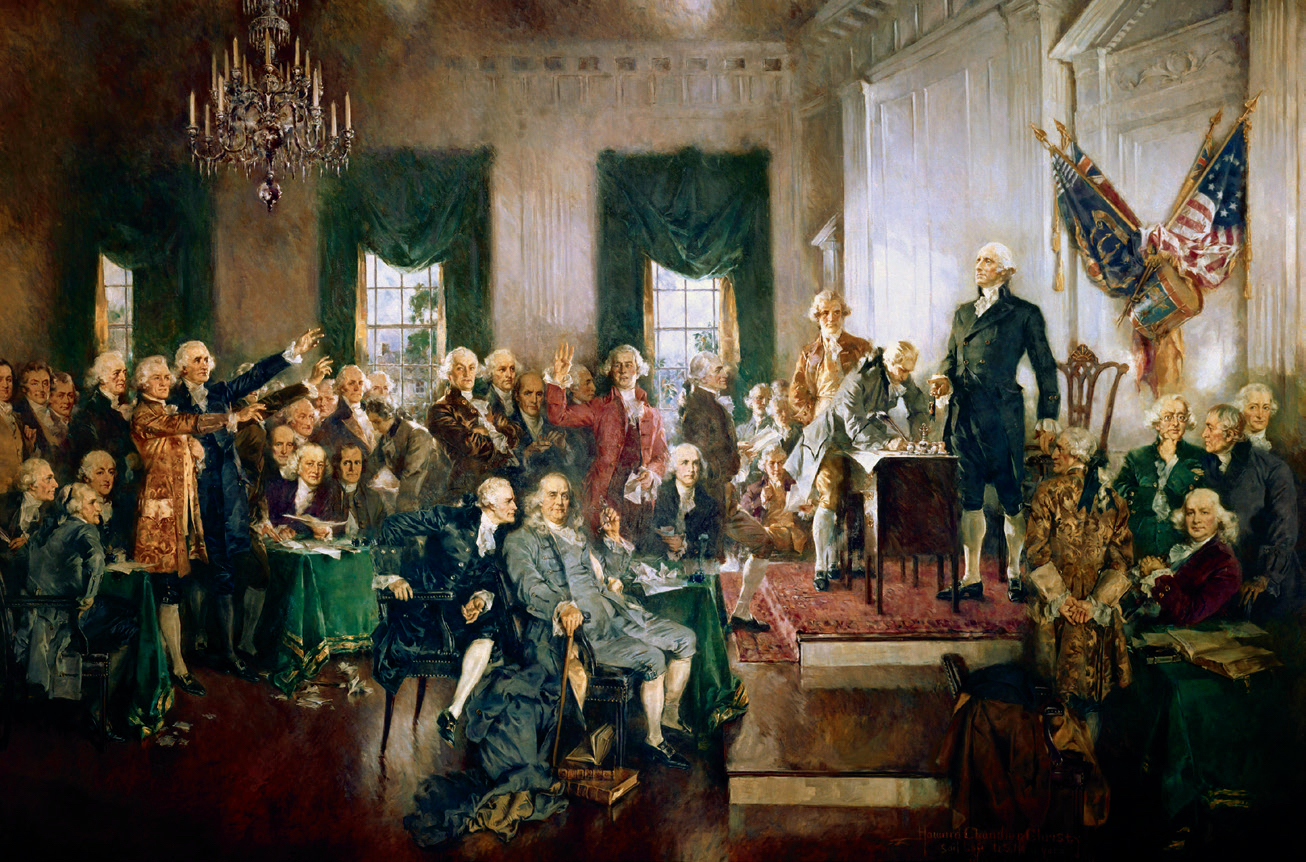
This grounding, according to him, sets the American Revolution apart from others. Instead of trying to dismantle society, as the French revolutionaries attempted, the Founders opposed what they perceived as genuine abuses of power, creating a system grounded in principles that have withstood the test of time.
Spalding also acknowledges the importance of religion in the founding process: “It is unfathomable that a Congress that publicly prayed together and worshipped together and issued proclamations calling for days of prayer and fasting would approve an anti-religious or even a purely secularized Declaration.” The belief in divinely granted rights reflects a worldview that is central to the Declaration itself.
He sees the upcoming 250th anniversary of the nation as an opportunity to revisit these principles. “This is not just a one-off moment. We have the attention of a lot of Americans who might not necessarily be already engaged in these questions. … We might have the opportunity to try to teach them something.” That renewed focus, says Spalding, might spark a broader conversation about the country’s core values and their enduring relevance.
In this way, the book serves as both a historical exploration and an invitation to reconnect readers with the foundational ideas that shaped the nation, perhaps through a fresh lens.
Spalding still has that two-dollar bill, which features Thomas Jefferson on the front and the signing of the Declaration of Independence on the back. In retrospect, it’s a fitting keepsake for a scholar who has spent his career studying the ideas behind both.
From July Issue, Volume VI